A14 Cambridge to Huntingdon
PROJECT SUMMARY
Client - Costain, Skanska, Balfour Beatty, Carillion
Budget - £35,000,000
Timeline - 2017 - 2020
Location - Cambridge, Huntingdon
have ANY questions?
We were integral to the development and operation of the first every iteration of a Labour Desk approach within the industry – the Integrated Labour Team (ILT) at the A14 Highway Upgrade.
Scope of Supply
All aspects of civils engineering trades supplied. Total of £9m invoiced.
Timescales / Duration
A period of 3 years from 2017 to 2020
Reference
Ben Cross, Procurement / Integration Lead (ben.cross@skanska.co.uk)
Co-suppliers we worked alongside
VGC Group, Danny Sullivan Group and Hercules Site Services
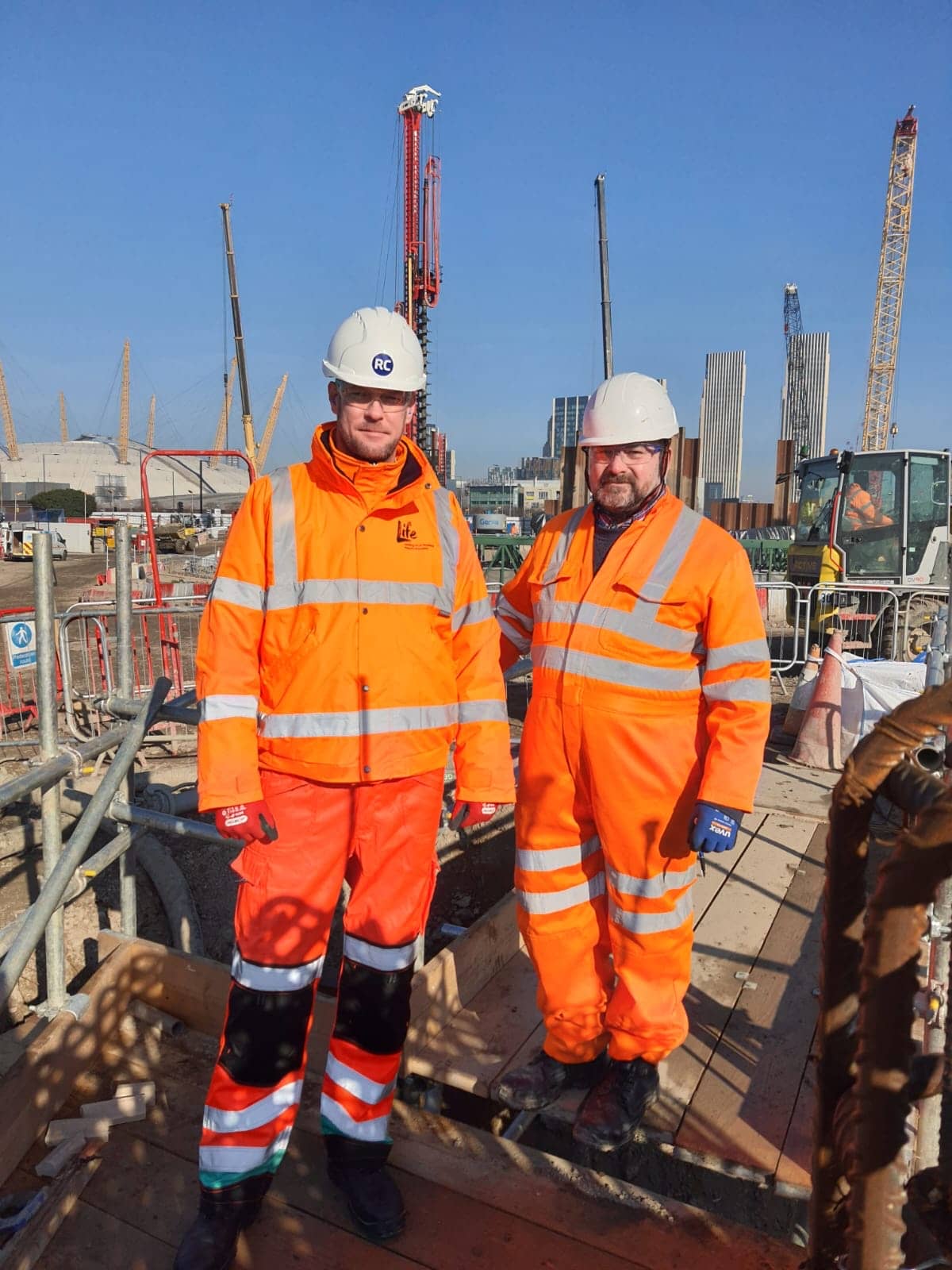
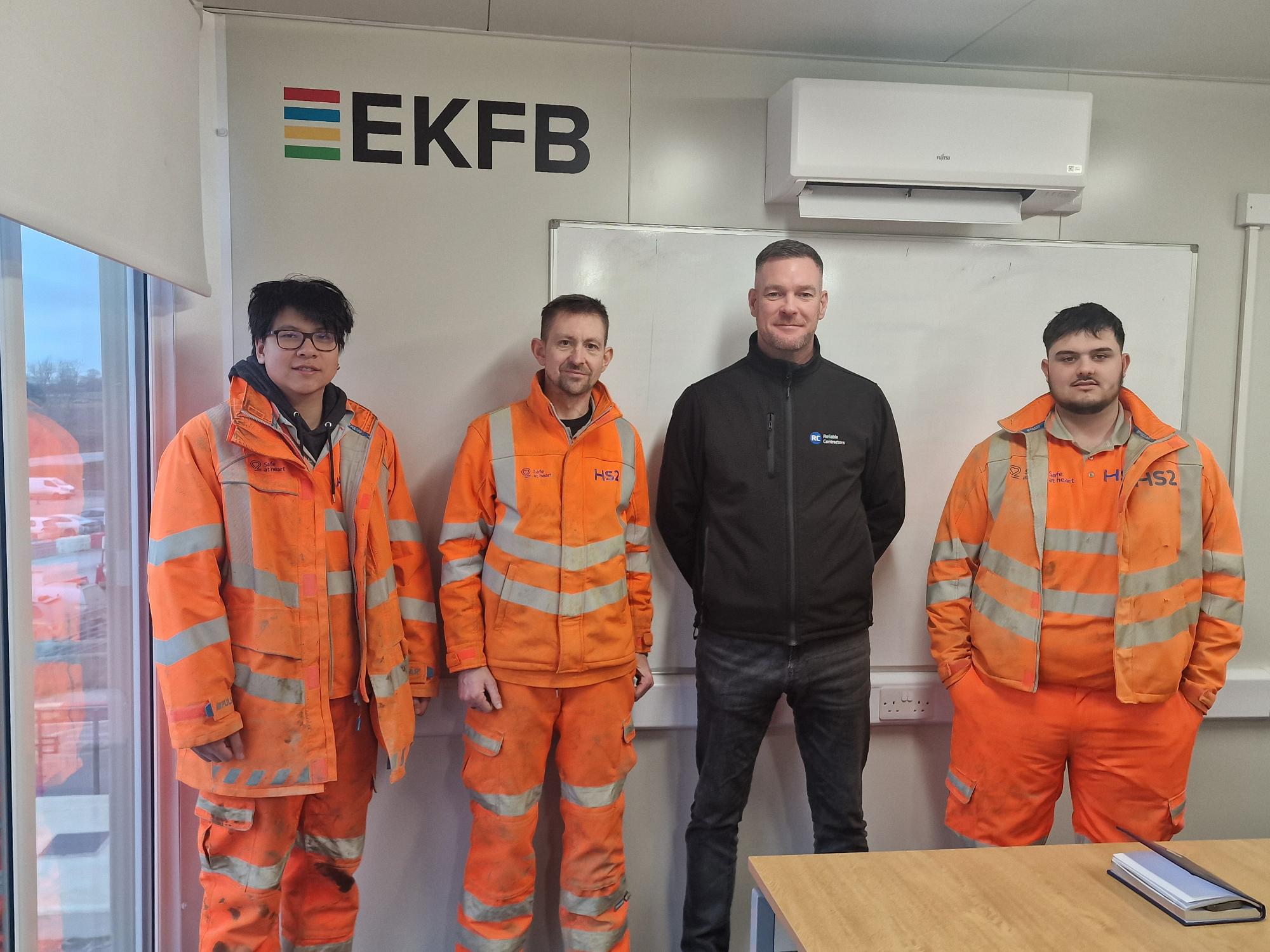
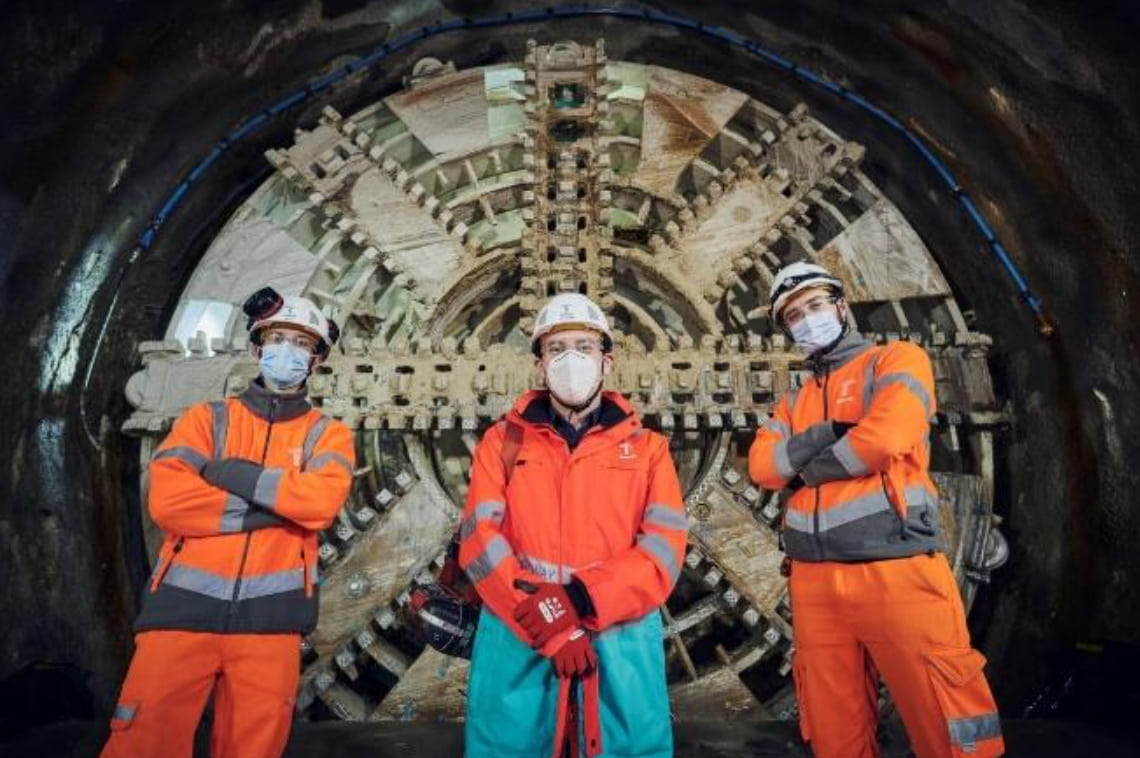
As a champion of the Labour Desk, our Operations Manager, Steve Jearum, helped to develop the approach based on our strong focus on collaboration with delivery and supply chain partners.
Reliable Contactor’s supplied a range of supervisors, tradesmen, groundworkers, labourers, and logistics staff to support the ILT. The Labour Desk, run in partnership with fellow labour suppliers, successfully provided a joined-up service provision to the client. Each partner had an ILT champion/s, sharing responsibility for operating a seamless service and communicating between the partners on a regular basis.
In January 2018, RC proudly received an award for innovation for our involvement in the pioneering Integrated Labour Team (ILT) supporting the A14 scheme. Ben Cross, Procurement / Integration Lead and Supply Chain Manager on the A14, stated he was ‘impressed with the maturity and transparency shown by the whole team at the first ILT KPI meeting
Project Brief
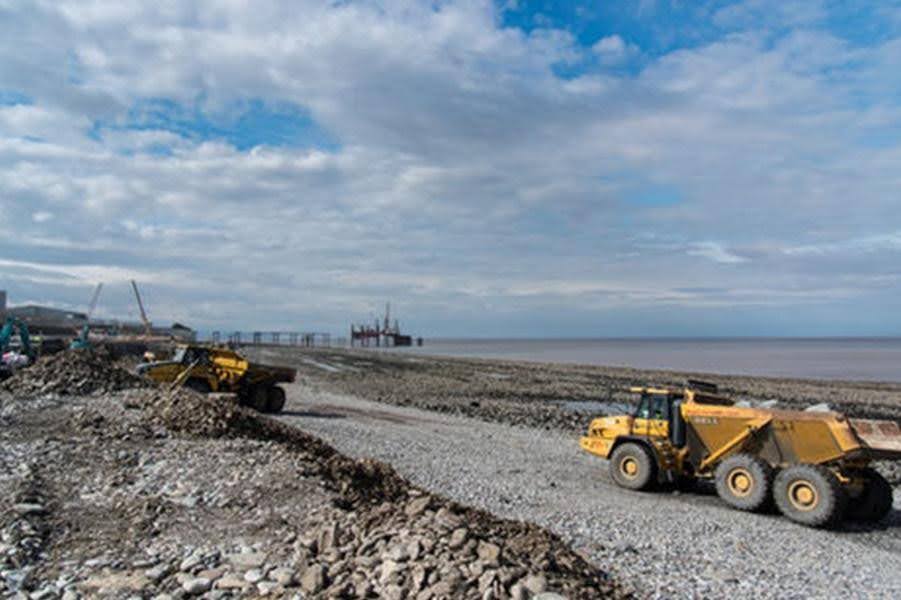
Reliable Contractors (RC) supplied a range of civils operatives and supervisors to the A14 Cambridge to Huntingdon scheme, as part of the upgrade to three lanes in each direction across 21 miles.
This includes a new 17-mile bypass south of Huntingdon, with four lanes in each direction between Bar Hill and Girton. The upgrade will add additional capacity, boost the local and national economy, and cut up to 20 minutes off journeys.
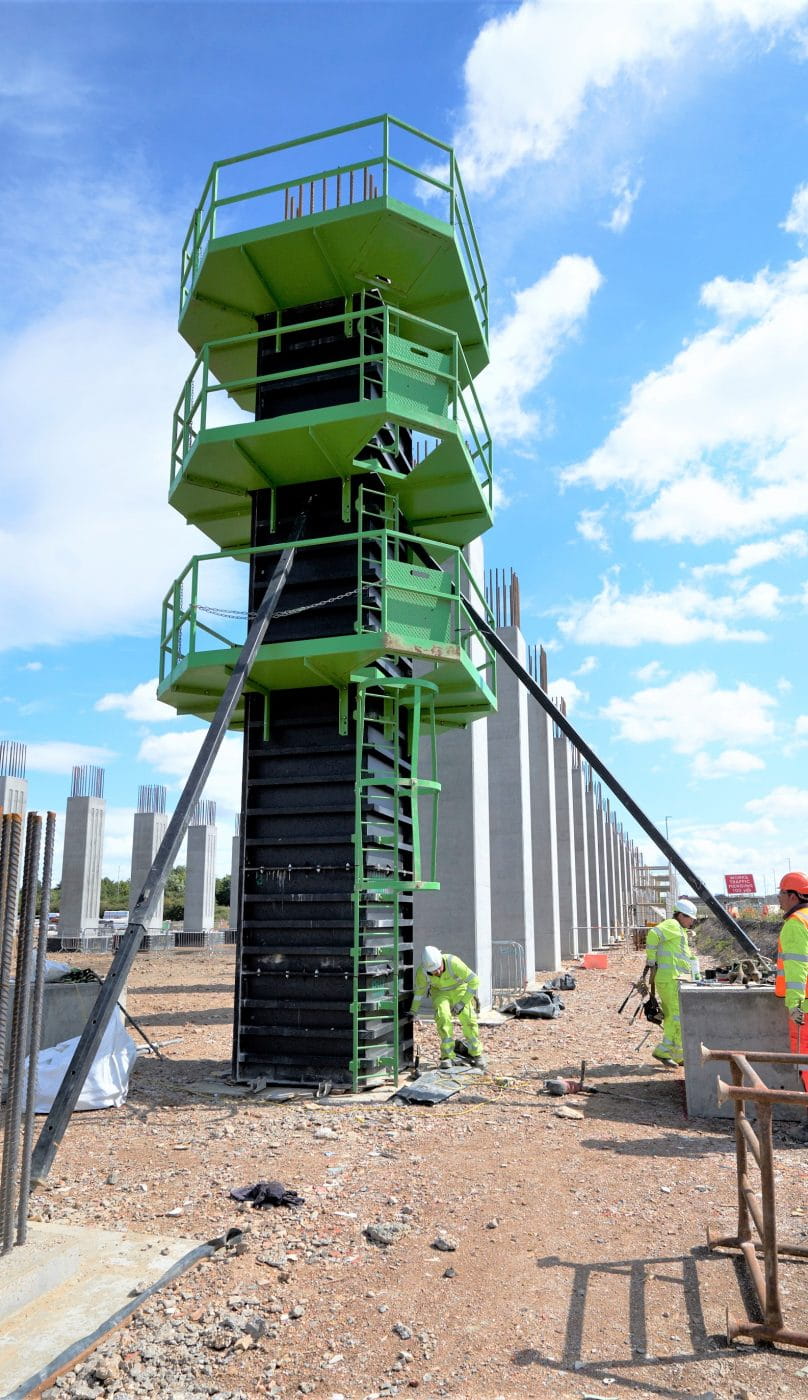
Our operative teams started work onsite in August 2017, constructing bridge crossings from foundations works to completion. Our Foremen were involved in all works onsite, specifically drainage gangs and pipe works. We delivered Manual Handling, Abrasive Wheels, and Working at Height training for all operatives onsite, as well as training to upskill our workforce. We sourced local labour via DWP (Department for Work and Pensions).
The 2,200-strong construction team kept to the project’s challenging timetable, and the new road opened to traffic on the 5th of May 2020.
Strengths
Best person for job every time, and best for project decisions enabled through standardised rates and a Service Level Agreement (SLA), providing a more cost effective solution for the client – as well as ‘evened the playing field’ for co-suppliers, through standardised rates and skills cards. Agreed processes within the SLA for requisitioning facilitated a fully ‘Anonymised CV’ process by removing any personal information, from CVs prior to assessment. This eliminated unconscious bias and, by using this across co-suppliers on the labour desk, the best person for the project was is chosen based on only training, experiences and competence.
all workers across the labour desk were PAYE workers across the labour desk – one team ethos
healthy business demand amongst the supply chain – providing a solution which was overall beneficial for all of us.
Steve Jearum, Gavin Kealy, and Brian Greene were the champions for RC, ensuring the project was continually supported with the right roles and resources to deliver successfully. As this was the first time an ILT was implemented in the industry, there were opportunities to take on-board and incorporate learning into the approach as it developed. We believe that best practice and sustainable outcomes were achieved much quicker through the labour desk suppliers sharing knowledge and testing experiences together. We continually brought learning and best practice from our professional industry network, from other projects, and from other clients – ensuring continuous improvement and best practice at all times at the A14.
We trialled ‘blind / anonymised CVs’ to eliminate unconscious bias and ensure transparency, fairness, and inclusion. We facilitated the process via FlowForma, ensuring personal information (including gender, age, and ethnicity) was removed from the CVs prior to assessment. Assessing only training, experience, and competencies, we were able to ensure the best person for the job was chosen and bring better EDI practice to the project.
and meant that we were able to rapidly obtain buy-in from key parties, ensuring new processes were embedded
together in the office, barriers between organisations were broken down and better collaborative working was enabled
Weaknesses
At the A14, the JV provided support with governance and set-up – we strongly believe their investment was worthwhile and the benefits the model brought outweighed the costs in terms of value for money, for example, the project was announced the early opening of the brand new dual carriageway a full year ahead of schedule and Balfour Beatty published that these accolades were a ‘testament to the team’s focus on collaboration, health and safety and keeping the customer at the heart of delivering the project.’
and this could have weakened the labour desk model through the JV or co-suppliers not buying-in to new working methods. The excellent collaborative working seen on the desk between suppliers and the JV was ultimately successful however, and this was strengthened through the use of a single point of contact for labour desk requisitions.
which was an excellent way to identify collaborative working skills in the team, however a weakness identified was an observation that some of the suppliers appointed attendees at these workshops didn’t represent the actual labour desk champions who would be employed on the contract.
Opportunities
The project provided an excellent opportunity to demonstrate our capability, and willingness, to collaboratively work on new innovative models which we strongly believe provides best for programme outcomes. The Integrated Labour Team (ILT) on the A14, which won the Institute for Collaborative Working award in 2018 and an ‘award for innovation’ at the A14 Supply Chain Innovation awards evidences our experience and expertise. Additionally, the ILT achieved several ‘Word Class’ KPI results across various areas, including health, safety, and wellbeing, environment, time, cost, and quality, operational efficiency, and collaboration. The June 2019 KPI feedback stated: ‘The ILT’s overall collaboration with the project exceeds expectations and it is fair to say it is world class. The ILT are fully integrated into A14 procedures and ways of working.’
we worked collaboratively with the ILT to raise young people’s engagement and knowledge of the construction and engineering industry at over 185 local events, ranging from career fairs to mock interview days and workshops. Our efforts have proven positive and effective, and have contributed to the national 90% increase in interest across STEM subjects.
The ILT appointed champions within the Integrated Delivery Team (IDT) -we found this motivated staff and promoted a one team ethos on-site. For example, qualified Mental Health First Aiders / Champions on-site provided our workforce with skills to support positive wellbeing in the workplace and encourages communication and collaboration across all parties involved in a project.
early identification of issues and concerns and enabled better communications and transparency between the JV and suppliers. The daily contact in a physical office environment helped to break down barriers, providing insights on each other’s working ways and enabling early identification of any concerns.
we were introduced to FlowForma process Automation on Microsoft App Source whilst working as part of the £1.5bn A14 Integrated Labour Team (ITL) with Costain Skanska and Balfour Beatty. Microsoft Office 365 and Microsoft SharePoint are cloud applications commonly used by construction teams, so the look and feel of FlowForma Process Automation (FlowForma) was immediately familiar to users. It has a built in SharePoint platform, requires no coding skills and represents excellent value for money. The ‘no code’ was particularly important in supporting our plans to make workflows less IT-centric and enabled our wider business to build its own processes with simplicity and ease. Operating a ‘bring your own device’ policy – supporting both Android and iOS compatibility – ensured our people in the field could work on forms remotely, on a device they are comfortable using, without having to wait to return to their desk.
- The A14 June 2019 KPI report stated: ‘World Class’ – ‘The Integrated Labour Team (ILT) invite a mental health charity to the project to present issues surrounding mental health and how to deal with mental health problems. The ILT also have mental health ambassadors (champions) on the A14, once again showing a real commitment to the A14 Culture of wellbeing’.
- FlowForma enabled us to manage ongoing engagement with our employees, from first point of contact, on employment, to the general maintenance and everyday needs of our staff. A vast array of information including online employment contract forms, holiday / annual leave requests and site observations in the field was fed directly to RC, enabling us to integrate client and RC data. As a ‘start-to-finish’ solution, FlowForma begins with enrolment, enabling prospective employees to complete online contracts and upload supporting documentation. This process saves time, reduces duplication and is environmentally friendly.
- Through using the system, we also generated KPIs by extracting information such as: Door-to-Door, Fatigue, EDI, Diversity, Protected Characteristics, Gender, etc., which was easily retrieved and reported on through trend identification.
- Through employing FlowForma, we also realised the following opportunities: Leaner workflow automation process flows — Reduced activities which are not adding value— Improved productivity— Reduced costs— Increased efficiency. The system allowed employees, managers, and clients to access digitalised data rapidly and remotely, streamlining procedures and processes undertaken in the field. The FlowForma integrated system will enabled seamless collaboration, enabling requests for labour and reporting through a transparent and automated system.
Threats
- A key threat to the labour desk was lack of collaboration between partners and, if a ‘company first’ attitude had developed between co-suppliers, the foundations of the labour desk would not have been stable – the model is reliant on this collaboration, so it was extremely important all parties understood the overall benefits of the labour desk.
- Back-door sourcing routes and legacy working methods: a key threat was the risk of works managers using direct sourcing methods, from using existing relationships or legacy working methods from the previous model, instead of the labour desk. The labour desk itself was put in to overcome these threats, but it hinges on investment from the top-down to foster cultural change to be mitigated. Being together in the office and a new IT system was key to enabling this and ensuring transparency across sourcing routes. The expectation was outlined to all parties clearly within the SLA, and there was a defined escalation process in place to manage any potential issues.
- RC came together with 3 partners – Danny Sullivan, Hercules and VGC. We recognised early on that, as competitors, there was potential for clashes in personality, and we needed an integrated Service Level Agreement with an incorporated escalation process. We collaboratively ensured clear lines of communication, and we promoted a ‘one team’ approach.